Florida Vacant Property Insurance: What Empty Homes Actually Need
Florida vacant property insurance: why standard coverage falls short
If you own a home in Florida that sits empty for more than 30 to 60 days, your standard homeowners policy may already be working against you. Florida vacant property insurance exists for exactly this situation, and skipping it is one of the more expensive mistakes property owners make. Insurers treat an unoccupied structure differently than a lived-in home, and most standard policies include a vacancy clause that can void or sharply reduce your coverage the moment the house crosses that occupancy threshold.
What makes a property "vacant" in Florida
Insurance companies draw a hard line between a home that is simply unoccupied and one that is legally vacant. The distinction matters more than most people expect.
- Unoccupied: the home still has furniture, utilities, and personal property inside. Someone is away temporarily, such as a snowbird spending the summer up north.
- Vacant: the home has been emptied of personal belongings, utilities may be off, and no one is using it. This is the status that triggers the vacancy clause in most policies.
Florida's weather is hard on structures. High humidity accelerates mold, afternoon thunderstorms push water under doors and through roof penetrations, and a home with no one inside to notice a slow leak can sustain tens of thousands of dollars in damage before anyone investigates. Insurers price that risk into vacancy policies, and they exclude it from standard ones.
Common situations that leave a Florida home vacant include estate settlements after a death, a property sitting on the market between owners, a renovation project that displaced residents, a seasonal home that goes unused for extended stretches, and investment properties awaiting a new tenant.
What a standard homeowners policy stops covering
Most Florida homeowners policies include language that suspends or limits specific coverages after the home has been vacant for 30 to 60 consecutive days . The exact number varies by carrier, which is why reading the actual policy language matters.
Once the vacancy threshold is crossed, these coverages are commonly excluded or sharply restricted:
- Vandalism and malicious mischief: vacant homes are frequent targets for break-ins, graffiti, and intentional damage. Most standard policies drop this coverage after 60 days of vacancy.
- Water damage from burst pipes or slow leaks: with no one checking the property, water damage compounds quickly and is often excluded for vacant homes.
- Glass breakage: a standard exclusion under vacancy clauses at many carriers.
- Theft of fixtures and materials: copper pipe and HVAC equipment theft from vacant properties is a documented problem throughout Polk County and across Florida. Standard theft coverage typically ends at vacancy.
- Liability: if someone enters the property, gets hurt, and sues, a lapsed or voided policy leaves you personally exposed.
The fire coverage that does remain is often written on an actual cash value basis rather than replacement cost, meaning depreciation gets deducted from any claim payout. On a Florida home, that gap can be significant.
What vacant property insurance actually covers
A purpose-built vacant property policy is written around the specific risks of an empty structure. Coverage is narrower than a standard homeowners policy in some respects, but it closes the gaps that matter most.
- Fire, lightning, and explosion: the core perils are almost always covered, usually on a named-perils basis.
- Vandalism and malicious mischief: restored after a standard policy has excluded it.
- Windstorm and hail: a Category 1 gust in Lakeland can strip a roof on a home no one has checked in weeks.
- Theft of building materials and fixtures: especially important for properties under renovation or waiting on permits.
- Liability: protects you if a trespasser or contractor is injured on the premises.
- Water damage: available with some carriers, though it often requires active utilities and proof of regular inspections.
Vacant property policies in Florida can be written for terms as short as three months or as long as 12, which gives owners the flexibility to match the policy term to the actual vacancy period rather than paying for a full year when the home will be re-occupied sooner.
If the property is also a rental between tenants or has been converted to a rental investment, a landlord insurance policy or a rental dwelling policy may be the better long-term fit once a tenant is in place.
Florida-specific risks that make this coverage necessary
Florida is not a forgiving environment for an unmonitored structure. Several of the state's specific risk factors make vacant property insurance more important here than in most other states.
Hurricane and tropical storm exposure
Florida leads the nation in hurricane landfalls. A vacant home hit by storm surge or 100-mph winds with no one there to cover a broken window, tarp a damaged roof, or turn off the water main can go from minor damage to a total loss in 24 hours. Many vacant property policies require a post-storm inspection within a set number of hours to maintain coverage; knowing that requirement ahead of time lets you arrange it.
Flood risk
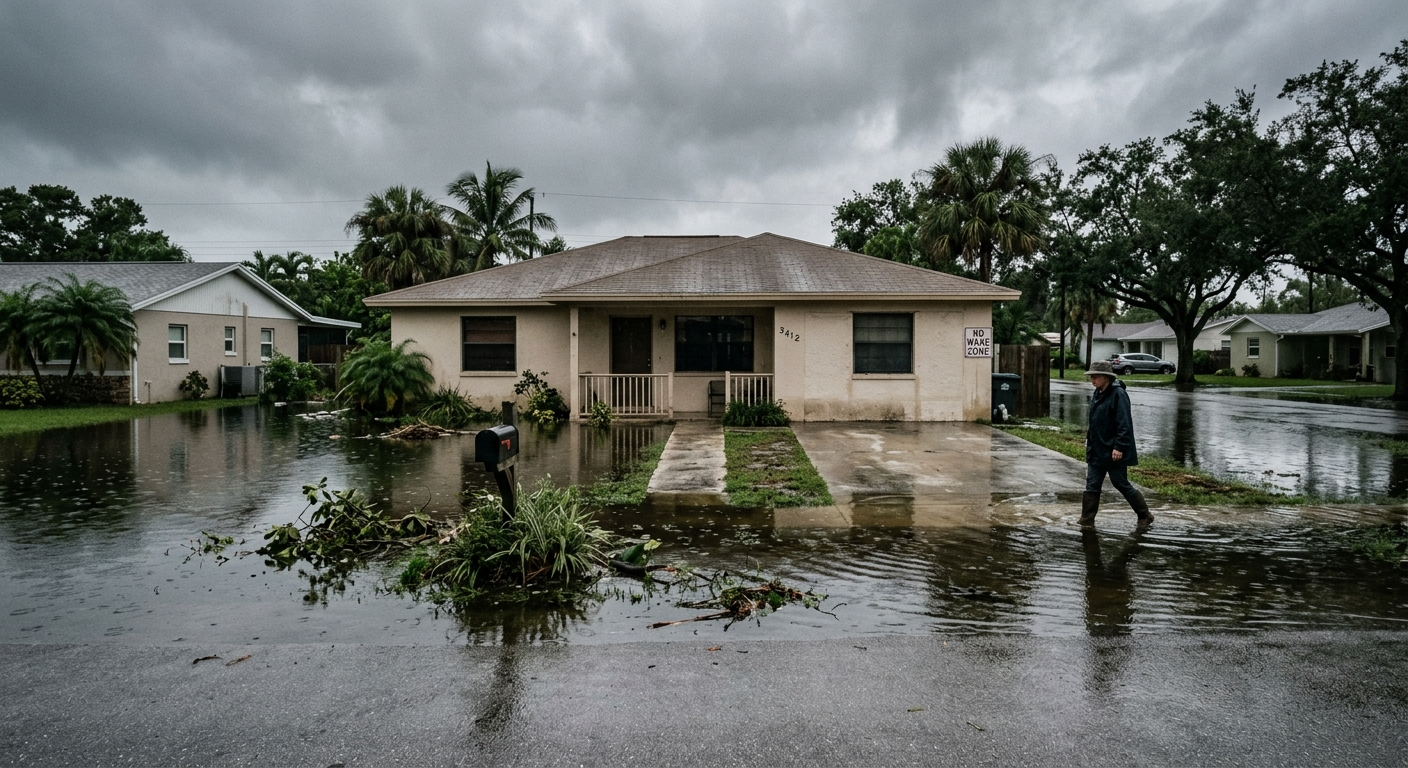
Flood damage is excluded from standard property insurance policies everywhere in the U.S. In Florida, even inland areas like Polk County flood regularly during heavy rain seasons, so a separate flood policy is worth evaluating. You can read more in our guide to Florida flood insurance to understand how NFIP and private flood options work.
Mold and moisture
Florida's average humidity sits well above 70 percent year-round. A home without climate control running for even a few weeks can develop significant mold behind walls, in attics, and under flooring. Mold remediation in Florida routinely runs $3,000 to $10,000 or more depending on the square footage involved. Some vacant policies include limited mold coverage; many do not. Ask specifically when comparing options.
Theft and squatters
Florida has seen well-documented cases of squatters claiming adverse possession in vacant homes. Beyond the legal headache, squatters cause real physical damage. Vacant property insurance does not resolve the legal side, but it can cover the structural damage left behind.
How much does vacant property insurance cost in Florida
Cost varies by structure age, location, rebuild value, and the specific coverage terms you choose. The benchmarks below set realistic expectations.
For a modest single-family home in central Florida, a three-month vacant property policy can run $300 to $600 , depending on the carrier and the coverage limits selected. Longer terms are available and are often priced at a lower monthly rate than shorter terms. Homes in high-wind zones, coastal areas, or older construction with outdated electrical or plumbing will push toward the higher end.
Factors that move the premium up or down include:
- Construction type and age: frame construction costs more to insure than masonry block; homes built before 2001 often carry a surcharge because they predate Florida's updated building code requirements.
- Security measures: deadbolts, alarm systems, exterior lighting, and periodic inspection agreements can reduce the premium and satisfy carrier requirements.
- Location: flood zones, hurricane exposure, and local crime data all factor in.
- Insured value: the rebuild cost of the structure, not the market value, drives the premium. An accurate replacement cost estimate prevents being underinsured after a loss.
- Policy term: short-term policies (three to six months) are available but may carry a higher per-month premium than an annualized policy.
Because pricing varies considerably between carriers, working with an independent agent rather than going to a single company genuinely pays off here.
Practical steps for protecting a vacant Florida property
Insurance is one layer of protection. Responsible owners combine it with a few low-cost habits that reduce both claims and premium costs.
- Schedule regular inspections: many carriers require visits every 7 to 30 days. Document each visit with photos and dated notes, which also creates a record if you ever need to dispute a claim denial.
- Keep utilities partially active: leaving the water and electricity on, with the thermostat set to at least 78-80 degrees, prevents pipe stress and mold conditions. Completely shutting off utilities can void water-damage coverage.
- Secure all entry points: reinforced door frames, padlocks on gate access, and boarded or locked windows reduce theft and vandalism claims.
- Notify your insurer immediately: if a currently occupied home becomes vacant, do not assume your existing policy still applies. Contact your agent right away to bridge any coverage gap.
- Board up after a storm event: Florida statute and most policy requirements expect you to take reasonable steps to prevent further damage after a covered loss. Failing to do so can reduce or eliminate a claim payment.
Estate properties and properties in probate
One of the most common ways a Florida home ends up vacant is through the death of an owner. Florida probate can take six months to more than a year. During that period, the property sits in a legal gray area: the estate owns it, no one lives in it, and the prior homeowners policy typically expires or becomes void at renewal.
If you are an executor, personal representative, or heir managing an estate property, notify the deceased's insurance carrier immediately and ask whether the policy is still valid. In most cases, it is not, or it will be voided at renewal. A vacant property policy written in the estate's name can maintain coverage through the probate period and any subsequent sale process.
Properties undergoing significant renovation before sale may also benefit from a builders risk policy if structural work is underway, in addition to or instead of a vacant property policy. The right answer depends on the scope of the work.
Get the right coverage for your empty Florida property
A vacant home carries real financial risk. In Florida, hurricane exposure, flooding, persistent humidity, and active theft markets make an uninsured or underinsured empty property a serious liability. Florida vacant property insurance is available, reasonably priced relative to the risk it covers, and flexible enough to match most ownership timelines.
Garland Insurance is an independent agency in Lakeland, Florida. We work with multiple carriers and compare options on your behalf rather than being limited to a single company's product. If your property is vacant now, or you are heading into a vacancy situation, reach out before a coverage gap opens.
Call us at (863) 683-9334 or get in touch through our contact page and we will walk through your specific situation and find the right coverage. You can also learn more about vacant property insurance directly on our site.
Get A Quote
At Garland Insurance, securing your future is easy. Ready to protect what matters? Contact us for a quick quote and personalized insurance options!
Anna
Speak to Anna 24/7
Microphone ready
Start your custom insurance quote
Instant answers to your insurance questions
Schedule appointments or follow-ups
Personal Insurance
From auto and homeowners to renters and umbrella policies, we help protect your family and property. Let’s find coverage that fits your life.
Commercial Insurance
We customize policies for your industry's risks, like general liability and workers' comp, ensuring you can run your business worry-free.
Contact Garland Insurance
Recent Posts